The Science Expo served as the opening event of the 2025–2026 Hungarian Year of Science programme, aiming to take science beyond laboratory walls and demonstrate how it shapes everyday life, from technological advancements to societal well-being.
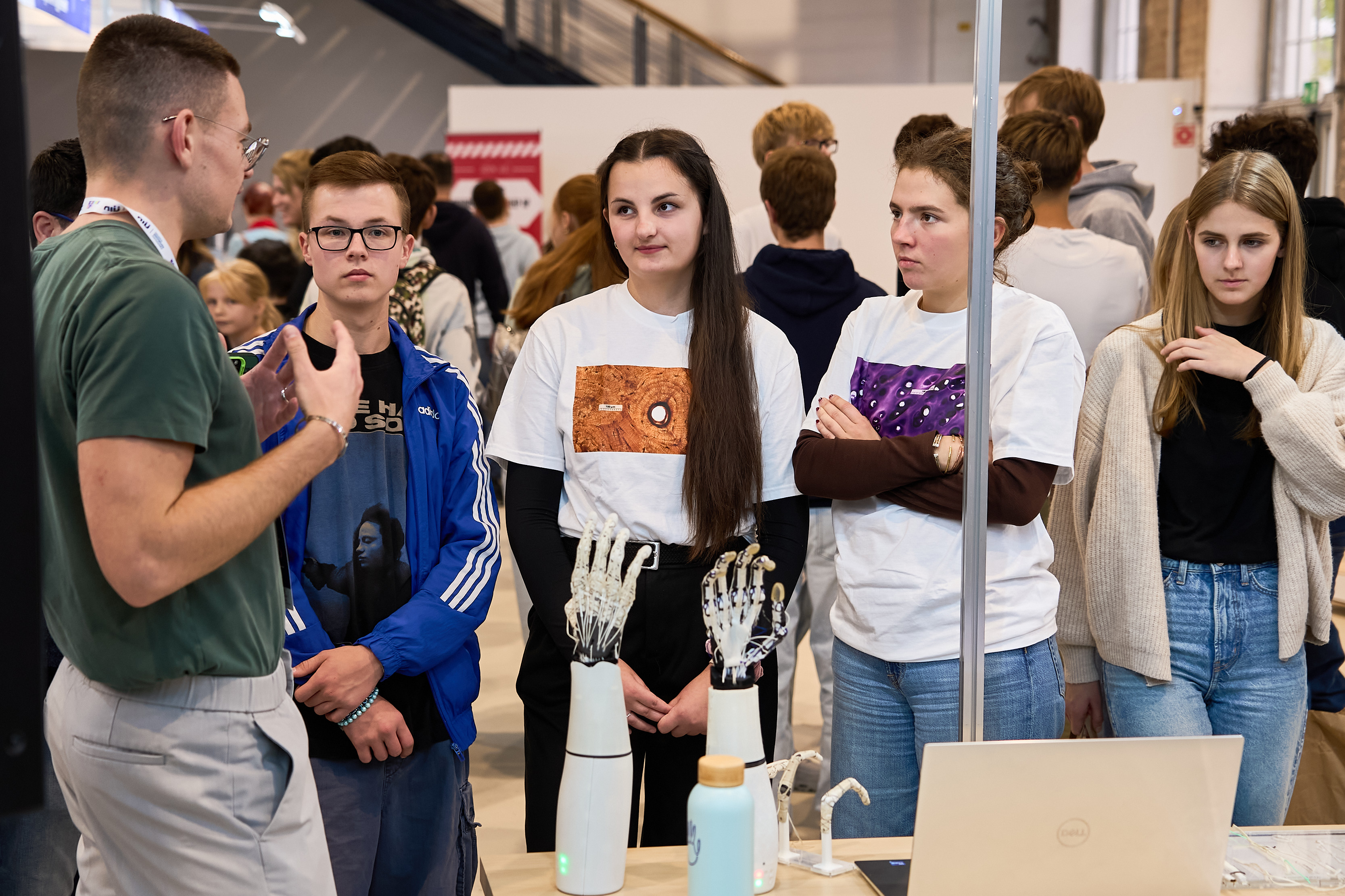
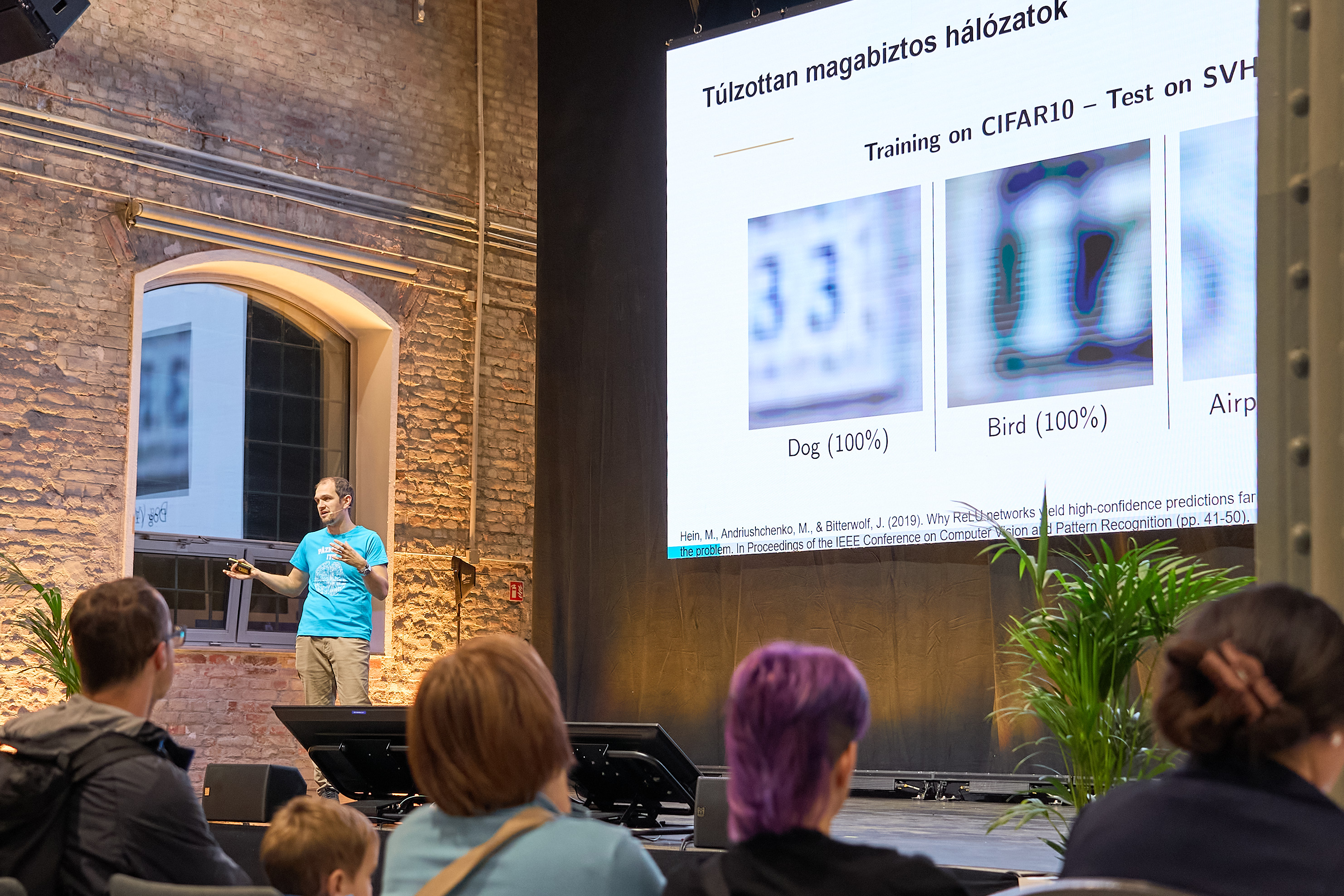
Our researchers also took the stage: on Wednesday, Benedek Tasi presented on “Nature-Inspired, Biomimetic Robots,” followed the next day by Dr. András Horváth, who delivered a talk on “The Robustness of Neural Networks.”
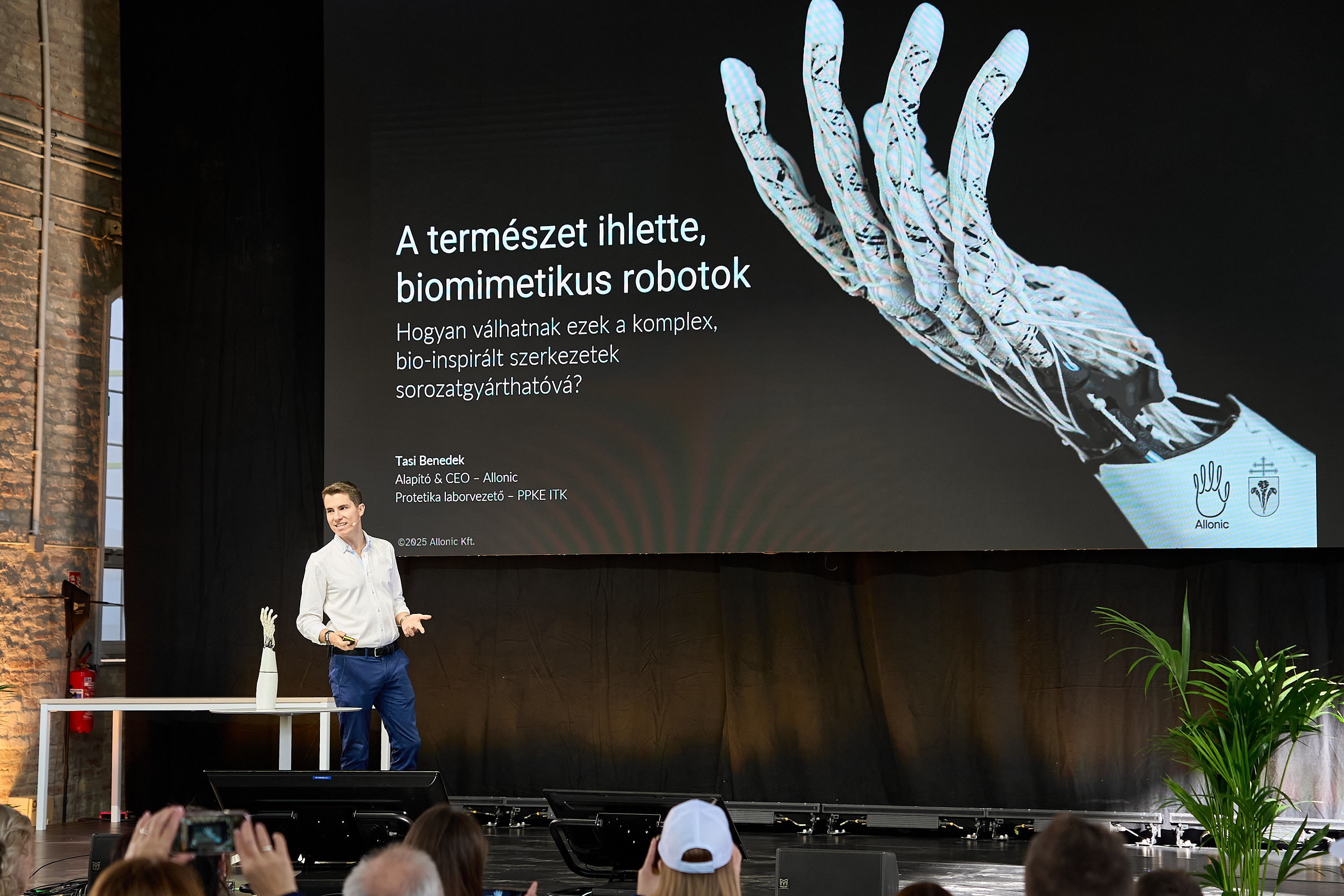
At our stand, researchers were available throughout the event to engage with visitors. Attendees could closely examine an anatomically accurate hand developed in our laboratories, observe its operation, and ask representatives from our Prosthetics Lab.
The Bionic Vision Centre team also showcased their work, presenting the LetSee mobile application designed for visually impaired and blind users. The lab focuses on using innovative technologies to help people with vision impairments perceive visual information, with a primary goal of refining the Bionic Glasses, which process visual signals artificially.
Representatives of the Neural Bioinformatics Lab, Dr. János Juhász and Dániel Krizsán, introduced their research on neural networks and genomic language models, aimed at uncovering patterns and relationships in biological data.
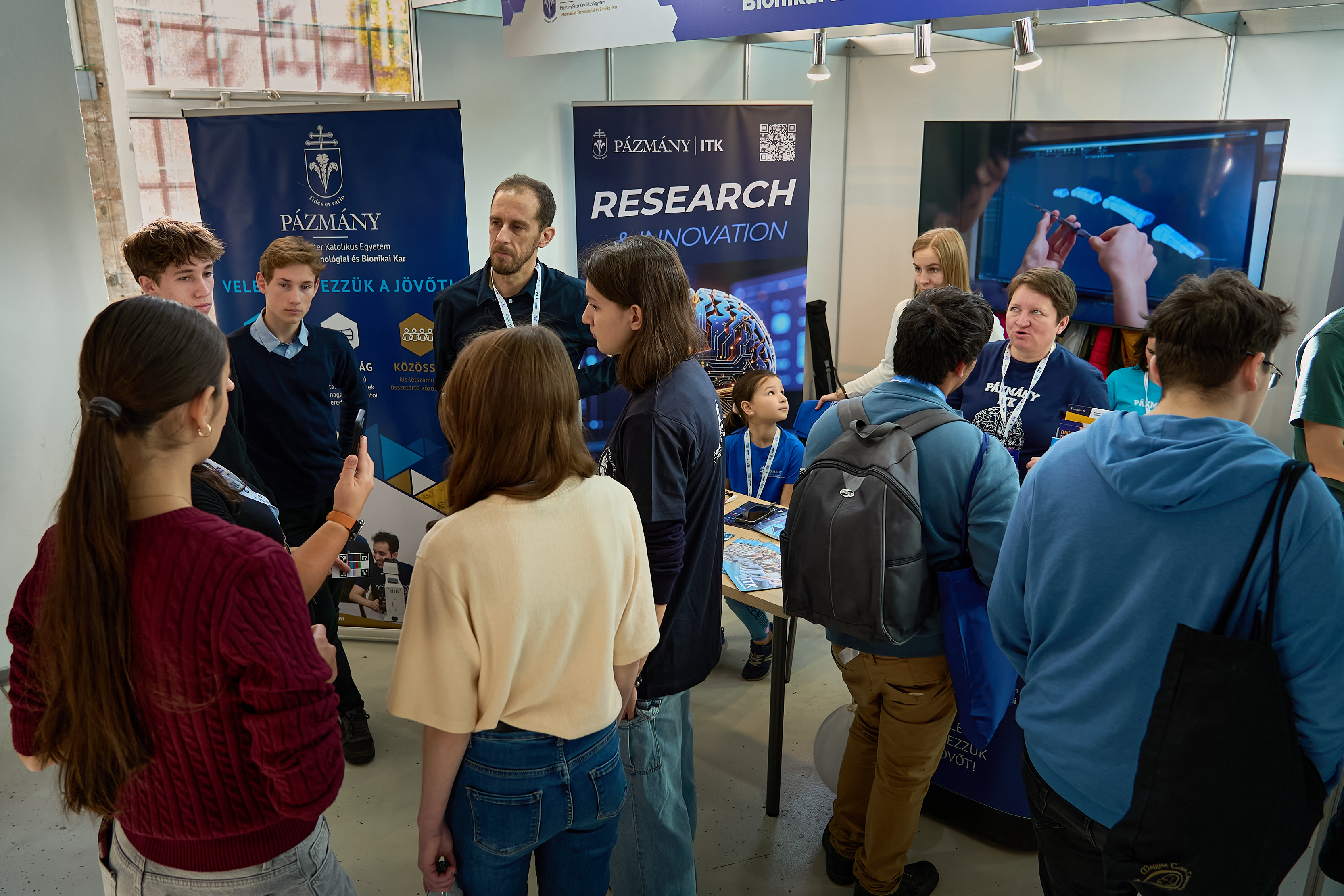
Dr. Franciska Erdő from the Barrier Modelling and Innovative Pharmaceutics Lab shared insights into her cutting-edge research at the intersection of drug discovery and pharmaceutical technology. Her work focuses on modelling the absorption of drugs and cosmetics, and she also participates in ophthalmic product studies in international collaborations with multiple universities.
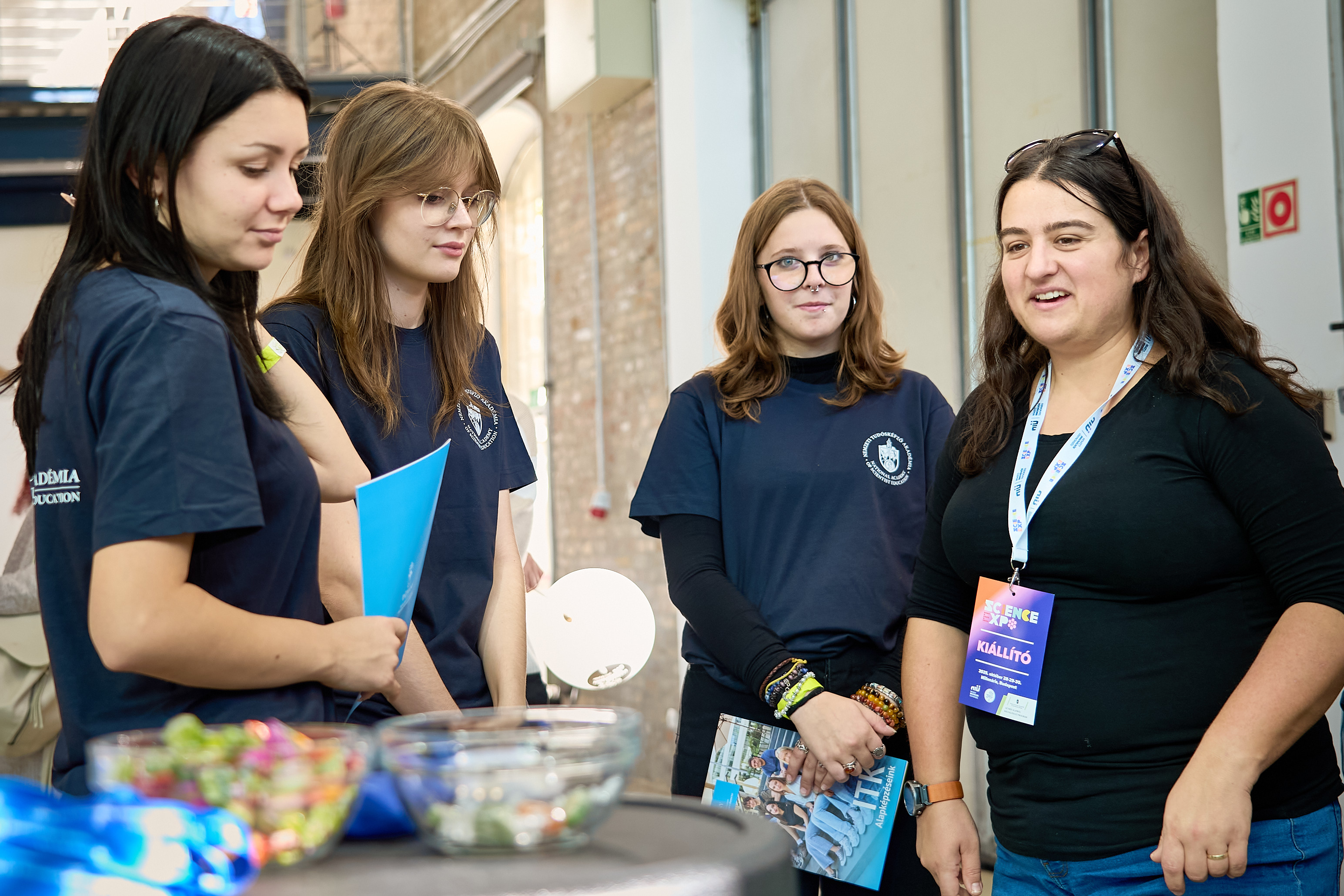
Over the three-day event, ITK not only showcased its latest developments but also demonstrated how science becomes tangible and accessible. Visitors gained a glimpse into the diverse and inspiring research environment at our faculty, proving that innovation and scientific discovery truly shape our collective future.