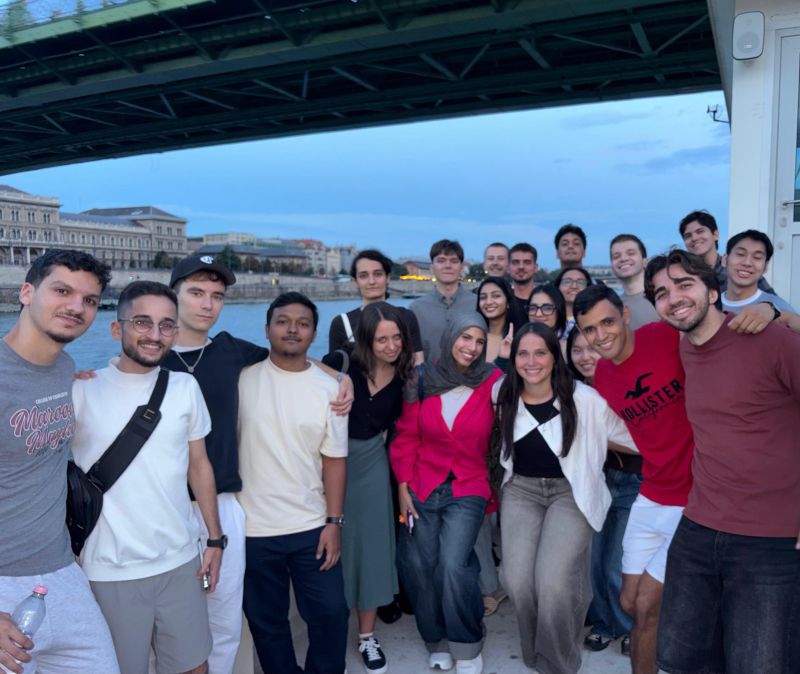
Students of our Faculty visited the Budapest site of Béres Pharmaceuticals on 27 April 2026 as part of the course Pharmaceutical Research and Development. Below is a report by our lecturer and researcher, Dr Franciska Erdő.
The annual career fair of the Faculty of Information Technology and Bionics at Pázmány Péter Catholic University was officially opened by Dean Dr. György Cserey. The event brought together representatives from the IT, biotechnology, government, and non-profit sectors.
A brilliant mind, an extraordinary intellect - these and similar accolades are often used to describe Dr. Balázs Rózsa, physician, physicist, and inventor. He began his career in the basement of the Institute of Experimental Medicine, building innovative, low-cost microscopes from discarded components. Over the years, his groundbreaking patents - primarily connected to brain research and the treatment of various diseases - have helped improve the quality of life for many. His curiosity, passion, and desire to better understand the world keep him in a constant state of intellectual excitement, continually driving him forward.
A recent publication by the Implantable Research Group for Implantable Microsystems of the Faculty of Information Technology and Bionics at Pázmány Péter Catholic University presents important advances in our understanding of cortical slow oscillation.
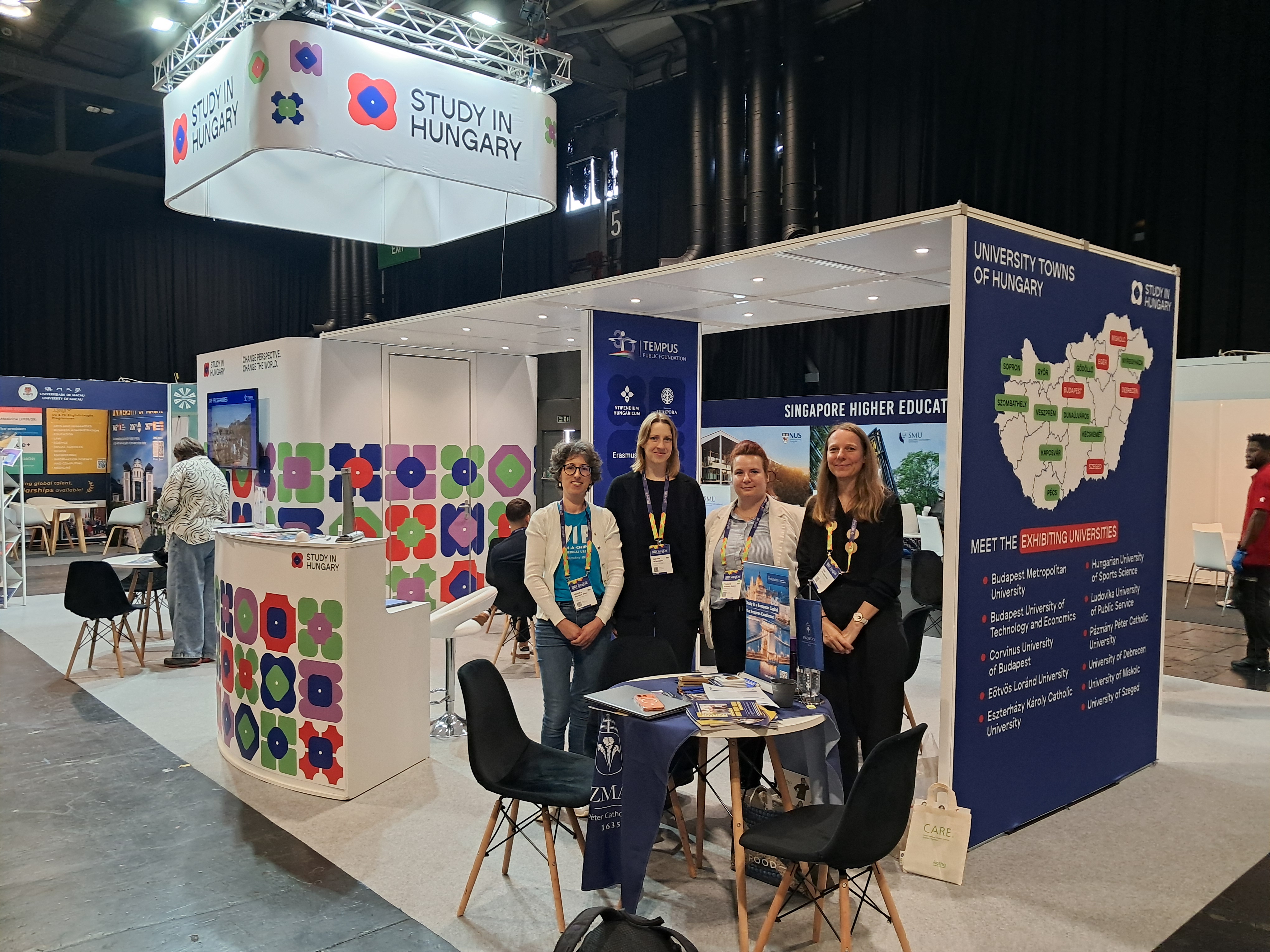
In spring 2026, Pázmány Péter Catholic University participated in the BeginGroup EduFair higher education fairs in Kazakhstan and Kyrgyzstan. Alongside colleagues from the Central International Office and the Faculty of Humanities and Social Sciences, the Faculty of Information Technology and Bionics (ITK) was represented by Andrea Mihálffy, Head of the International Relations Office.
A recent publication by the Implantable Research Group for Implantable Microsystems of the Faculty of Information Technology and Bionics at Pázmány Péter Catholic University presents important advances in our understanding of cortical slow oscillation.
Each year, the Hungarian Embassy in Paris invites Hungarian students who are spending the spring semester at a French university as part of the Erasmus+ programme. At this year’s gathering, two students from the Faculty of Information Technology and Bionics (ITK), Réka Herendi and Dorottya Mezey, had the opportunity to participate. They are currently studying in France at our prestigious partner institution, the Catholic University of Lyon. Below is their report on the event and their experiences abroad:
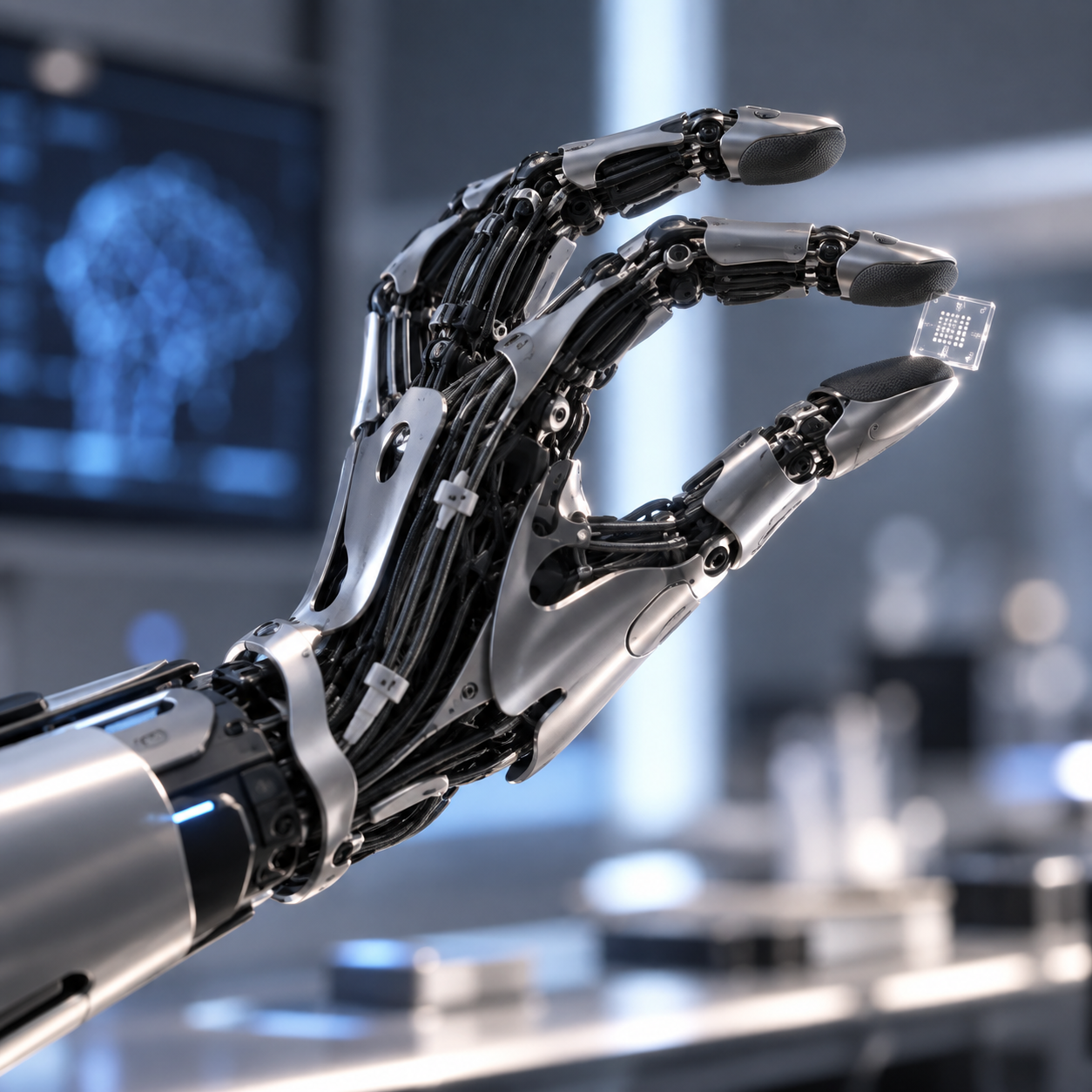
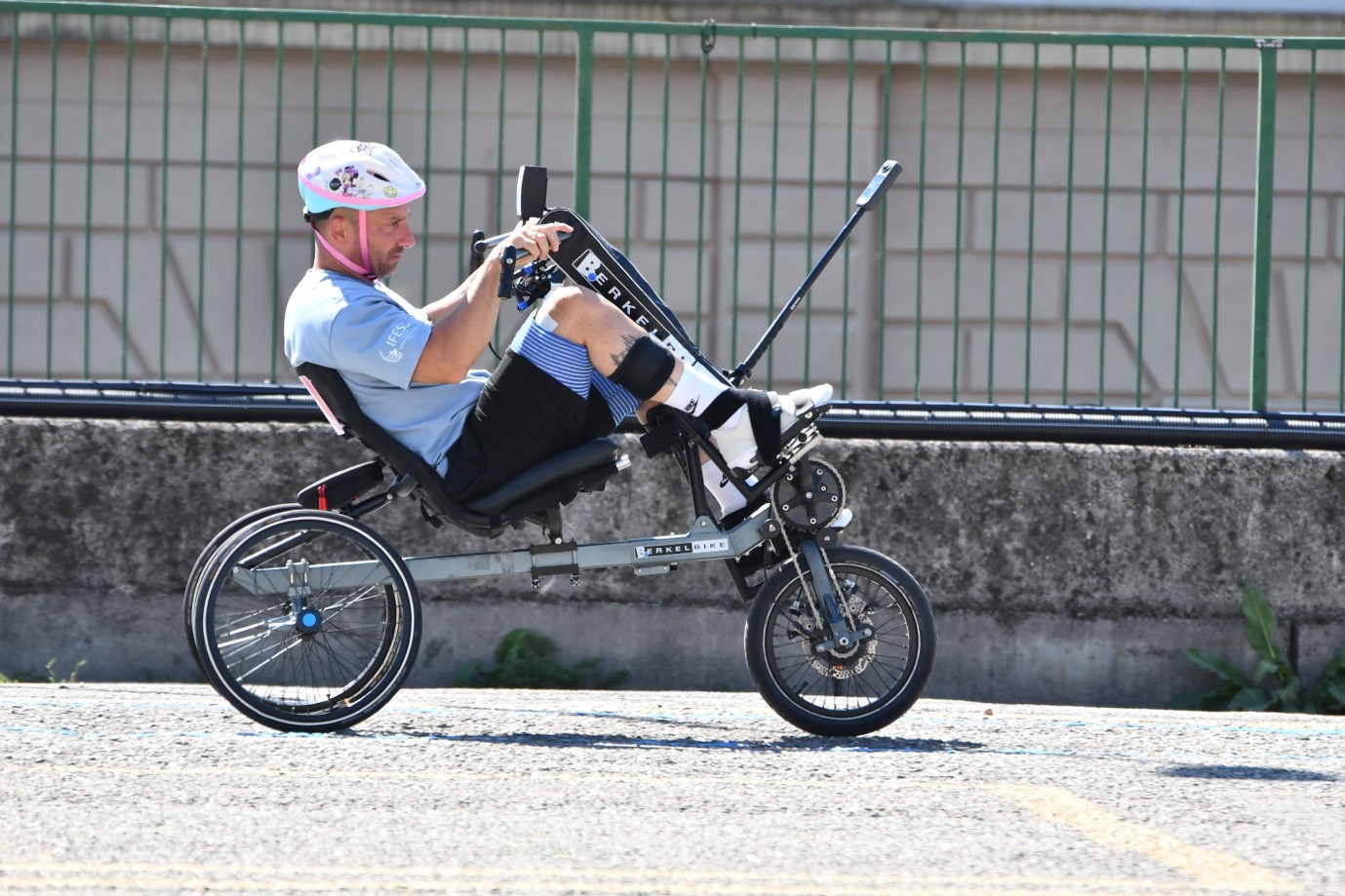
According to estimates by the World Health Organization (WHO), around 1.3 billion people worldwide (approximately 16 percent of the global population) live with some form of disability. Projections suggest that by 2040 4.5 percent of the population will be affected by attention deficit hyperactivity disorder (ADHD), while 3.8 percent will suffer from major depression. These figures clearly indicate that in the coming decades neurological and psychiatric disorders, rehabilitation, and technologies aimed at restoring human abilities will become one of the most important areas of global innovation. Industry analyses estimate that the global bionics market will reach USD 8.2 billion by 2025 and could expand to as much as USD 17.5 billion by 2033.
Students interested in the Artificial Intelligence for Image Processing and Computer Vision (IPCVai) Erasmus Mundus Joint Master’s programme can now apply as self-funded candidates, with the application deadline set for 7 April.