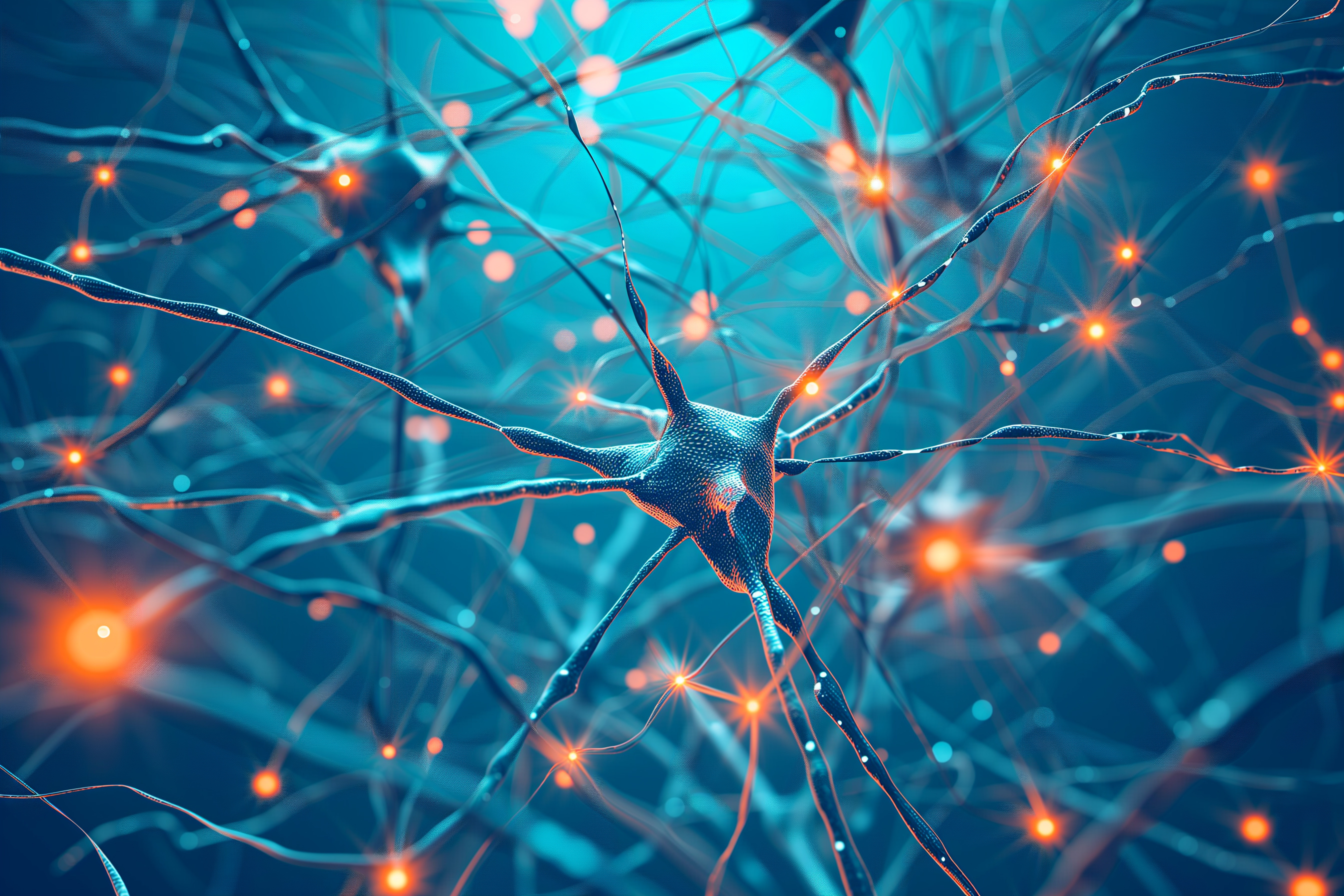
The study, co-authored by Dr Ágnes Szabó and Dr Richárd Fiáth as first authors, investigates the effects of near-infrared (NIR) stimulation on cortical slow oscillation in anaesthetised rats. These slow waves are characteristic of deep sleep and certain anaesthetic states, yet their precise neurobiological regulation remains unclear.
The team’s findings show that locally applied NIR stimulation induces reproducible, reversible changes in slow-wave activity, indicating increased neuronal synchronisation. This minimally invasive approach provides a highly precise tool for modulating cortical network activity and opens up new perspectives for exploring the biophysical mechanisms underlying slow oscillation.
We are proud of our researchers, whose work not only strengthens the international scientific reputation of Pázmány ITK, but also contributes to advancing the frontiers of brain research.
The full article is available HERE.